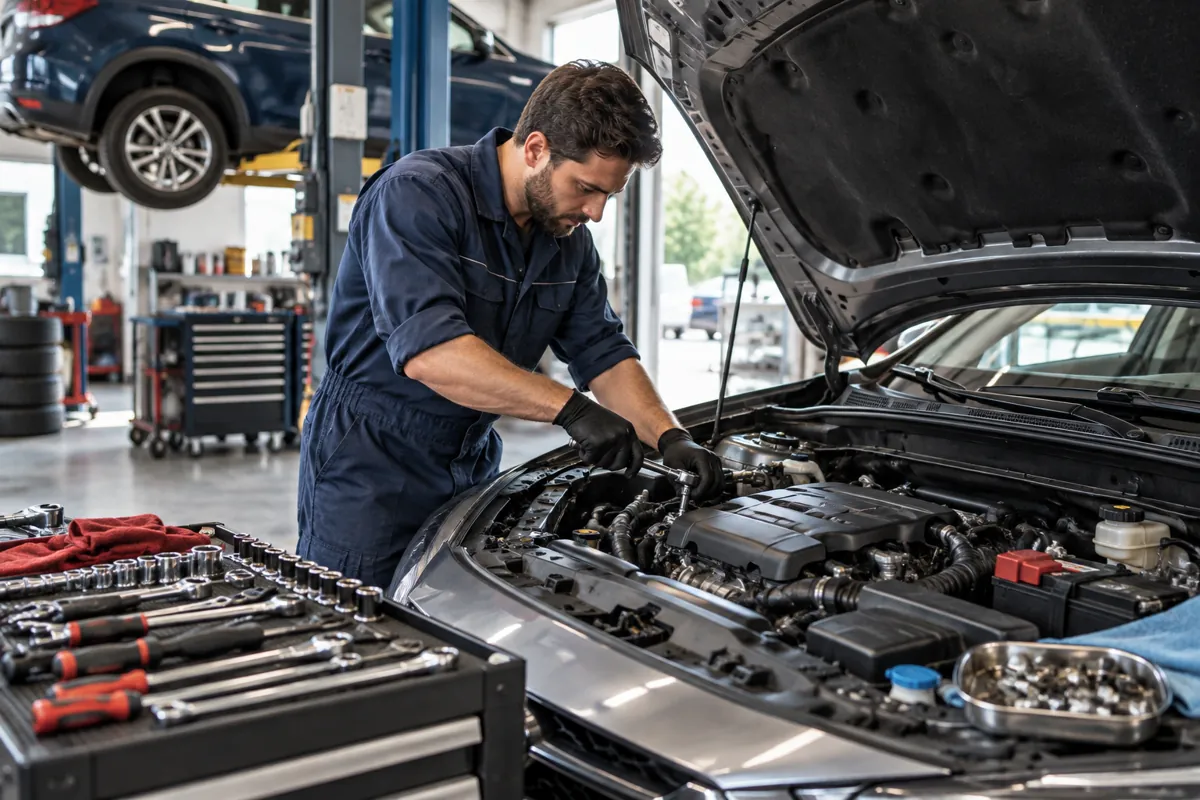
Car Maintenance & Repair
Oil changes, tires, brakes and common repairs
Introduction
Maintaining and repairing a vehicle is a vital component of responsible car ownership. Regular maintenance helps extend the lifespan of a vehicle, ensure safety, and prevent costly repairs. Whether you own a compact car or an SUV, understanding the essentials of car maintenance can save money and provide peace of mind on the road. With global estimates indicating that the average car owner spends approximately 300 to 800 euros annually on maintenance and repairs, knowing what to expect is essential.
Proper upkeep also plays a role in compliance with local safety standards and can influence the resale value of a vehicle. Many individuals overlook routine checks until problems become severe, often leading to breakdowns or accidents. An informed approach to car maintenance enables proactive care, reduces unexpected expenses, and ensures reliable performance over the years.
Definition and core concepts
Car maintenance involves systematic procedures to keep a vehicle operating effectively. This includes regular inspections, fluid replacements, tire management, and parts replacement. Maintenance differs from repairs; while repairs address specific issues, maintenance involves ongoing tasks to prevent issues from developing.
The core concepts of car maintenance encompass preventive actions such as oil changes, brake inspections, tire rotations, and fluid top-ups. These procedures are recommended at specified intervals based on the manufacturer’s guidelines, which can vary between 10,000 and 30,000 kilometers depending on the car model and driving conditions.
Repairs, on the other hand, target specific malfunctioning components. This might include fixing engine problems, replacing a faulty alternator, or repairing a damaged suspension system. Regular diagnostics can identify issues early, preventing them from escalating into costly emergencies. Understanding these basic principles ensures a vehicle remains safe and reliable over its lifespan.
How it works
Car maintenance operates through a series of scheduled interventions designed to address key performance areas of the vehicle. Manufacturers typically provide maintenance schedules, which detail specific tasks and their recommended intervals. For example, an average vehicle may need an oil change every 15,000 kilometers or once a year, whichever comes first.
The process involves inspecting critical components, assessing wear and tear, and replacing parts or fluids as necessary. Oil filters are changed every 10,000 kilometers, air filters every 20,000 kilometers, and spark plugs approximately every 40,000 kilometers. Routine inspections of brake pads, tires, and suspension ensure that safety standards are maintained.
Technicians utilize diagnostic tools such as OBD-II scanners to detect electronic or engine issues. Modern vehicles, equipped with complex electronic systems and sensors, generate error codes that can pinpoint potential problems even before symptoms appear. This tech-driven approach enhances the efficiency and accuracy of maintenance operations.
When performing repairs, parts are replaced with original or high-quality aftermarket components. For example, a typical brake pad replacement involves removing worn-out pads, inspecting rotors, and installing new pads that can last 50,000 to 70,000 kilometers depending on driving style. This systematic approach prevents breakdowns and extends overall vehicle durability.
In essence, maintenance and repair work work together to sustain engine performance, ensure safety, and minimize emissions. Regular adherence to schedules is fundamental—missing a routine check can increase the risk of failures and costly repairs in the long run.
Practical application
Applying effective car maintenance begins with understanding your vehicle’s manual. The manufacturer’s guidelines specify essential tasks, intervals, and recommended products. For example, a typical passenger car requires oil changes every 15,000 kilometers or annually, coolant replacements every 40,000 kilometers, and tire rotations every 10,000 kilometers.
Maintaining proper tire pressure—influencing fuel efficiency and safety—is critical. For most vehicles, recommended pressure ranges from 2.2 to 2.5 bar (32 to 36 PSI). Regularly checking this, especially before long trips, helps prevent uneven tire wear, which can reduce tire lifespan by up to 50 percent if neglectful.
Battery health impacts starting reliability. Most batteries last between 3 to 5 years. Testing voltage levels with a multimeter—preferably above 12.6 volts—is advisable twice annually. Cleaning corrosion on terminals and ensuring secure connections further prolongs battery life.
Brake system maintenance involves inspecting pads, discs, and fluid. Brake pads typically last 30,000 to 70,000 kilometers, with replacement recommended when pads are 3 millimeters thick or less. Brake fluid should be replaced every 30,000 kilometers or two years to prevent brake fade caused by moisture absorption.
Engine cooling systems prevent overheating. Flushing the radiator and replacing coolant every 40,000 kilometers minimizes corrosion risks. Inspect hoses for leaks or cracks annually. An overheated engine can incur damage worth thousands of euros, emphasizing the importance of cooling system upkeep.
In practice, combining routine checks with timely replacements reduces the probability of breakdowns. For instance, proactive maintenance on a typical family car can reduce unexpected breakdowns by 60 percent, saving hundreds annually in repair costs and preventing safety hazards.
Owners who adopt a disciplined maintenance routine, such as monthly visual inspections and biannual professional checkups, tend to achieve higher resale values and enjoy smoother driving experiences. Utilizing a maintenance log or mobile app ensures compliance with scheduled tasks and tracks expenses over time.
Investing in quality parts and fluids, even at a slightly higher cost, often results in better performance and longer service life. For example, using synthetic motor oil instead of conventional variants can extend oil change intervals from 10,000 to 15,000 kilometers, reducing service visits.
Overall, practical implementation hinges on staying informed about your vehicle's needs, adhering to scheduled tasks, and promptly addressing emerging issues before they escalate into expensive repairs.
Common mistakes
One frequent error is neglecting regular oil changes. Old or contaminated oil can lead to increased engine wear and a drop in fuel efficiency. Relying on the "fill it and forget it" approach instead of following manufacturer intervals often results in engine damage after just a few thousand kilometers overdue.
Another common mistake involves ignoring warning lights on the dashboard. Drivers may dismiss changes in engine behavior or sensor alerts, risking severe damage. An illuminated check engine light warrants immediate diagnosis, as ignoring it can lead to component failures costing over 1000 euros to repair.
Incorrect tire maintenance also causes problems. Overlooking proper tire pressure leads to faster tire wear, as much as 50 percent in some cases, and adversely affects fuel economy by up to 4 percent. Additionally, neglecting regular tire rotations can cause uneven wear patterns, reducing tread life and increasing blowout risk.
Failing to replace coolant at recommended intervals causes corrosion inside the radiator and engine block. This can result in overheating and long-term engine damage. Many owners undervalue cooling system maintenance, despite its role in preventing engine failure which can cost over 3000 euros to repair.
Finally, using substandard or counterfeit replacement parts can compromise vehicle safety and reliability. For example, low-quality brake pads may wear out three times faster or produce increased brake dust, reducing braking efficiency. Due diligence in sourcing genuine or trusted aftermarket parts mitigates these risks.
Expert recommendations
Professionals advise following the manufacturer’s maintenance schedule diligently. This approach ensures optimal performance and safety. For instance, adhering to oil change intervals—typically every 15,000 kilometers or 12 months—maximizes engine lubrication and reduces wear.
Regular diagnostics using OBD-II scanners can detect electronic or engine issues early, avoiding costly repairs later. Experts recommend conducting diagnostics at least twice a year, especially before long trips or when symptoms like reduced fuel economy or strange noises occur.
Using high-quality fluids and parts is another recommendation. Synthetic oils, genuine filters, and premium brake components often cost more upfront, but they deliver greater durability and better vehicle performance. They also tend to extend service intervals, reducing overall maintenance costs.
Maintaining a clean vehicle exterior and undercarriage guards against corrosion and prolongs overall lifespan. Washing the car regularly and applying anti-corrosion treatments where necessary are simple yet effective strategies. Rust prevention is especially important for vehicles in coastal areas, where salt exposure accelerates deterioration.
Finally, investing in professional servicing periodically (at least once every 20,000 kilometers) ensures accurate diagnostics and specialized repairs. While DIY tasks can save money, complex systems like transmissions or electronic modules require expert handling to avoid inadvertent damage.
Conclusion
Car maintenance and repair demand consistent attention and adherence to best practices. Regular inspections, timely replacements, and professional diagnostics collectively extend a vehicle’s operational life and prevent expensive failures. By understanding core concepts and common pitfalls, owners can make informed decisions that safeguard their investment.
Implementing a disciplined maintenance routine not only enhances safety and reliability but also promotes cost efficiency over the long term. Maintenance is an ongoing process that requires awareness and proactive effort, supported by quality parts and expert guidance.