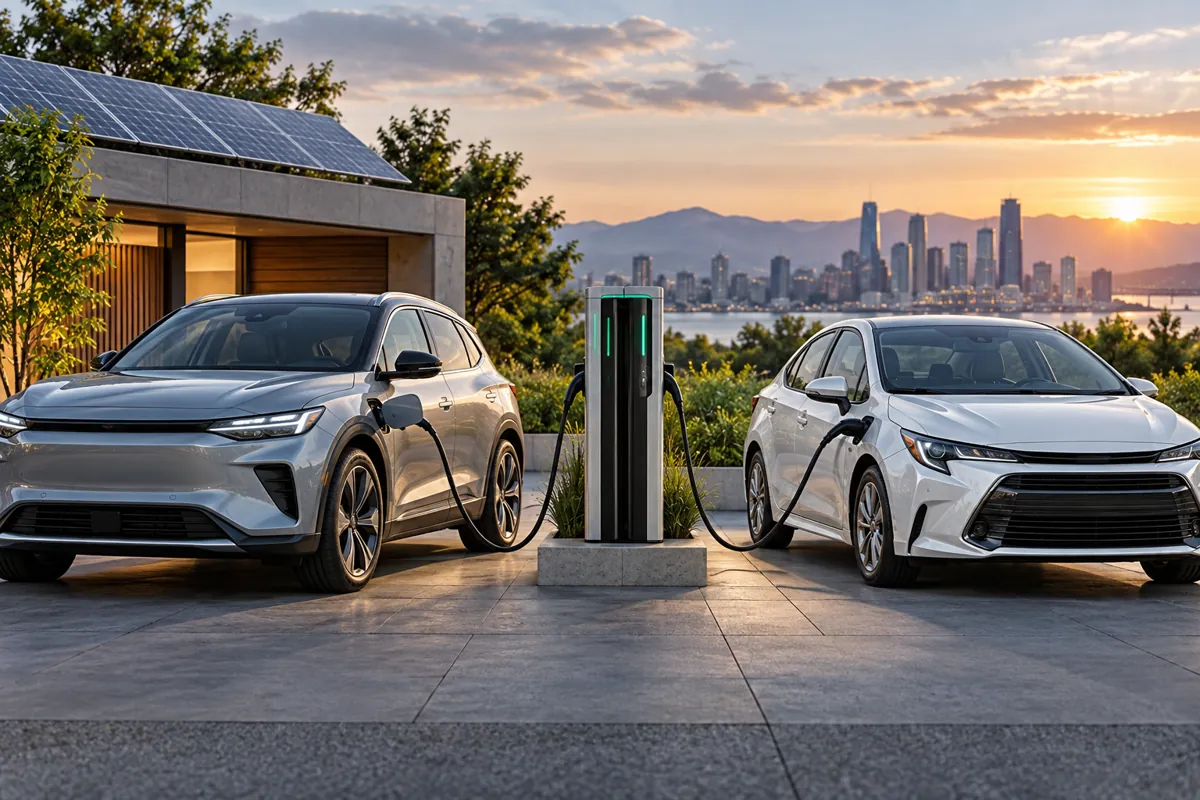
EVs & Hybrids
Electric cars, hybrids, range and charging
Introduction
Electric vehicles (EVs) and hybrid vehicles have gained considerable attention in recent years as alternatives to traditional internal combustion engine cars. With global concerns about climate change and air pollution rising, many countries are enforcing stricter emissions standards and offering incentives for electric mobility. In 2023, over 10 million EVs were sold worldwide, representing a 55 percent increase compared to the previous year. This surge demonstrates a significant shift in consumer preferences and automotive industry investments toward cleaner transportation options.
Understanding how EVs and hybrids work, their benefits, and common pitfalls is essential for consumers, policymakers, and industry stakeholders. This comprehensive guide covers the core concepts behind these vehicles, explains their operational mechanisms, and examines practical aspects, including cost considerations and usage tips. By exploring these facets, readers will gain a clearer picture of the role EVs and hybrids play in the future of transportation and their current relevance in everyday life.
Definition and core concepts
Electric vehicles are automobiles powered predominantly or entirely by electric motors that draw energy from rechargeable batteries. Unlike traditional cars that burn gasoline or diesel, EVs produce no tailpipe emissions and rely solely on electrical energy stored in onboard batteries. There are two main types: battery electric vehicles (BEVs) and plug-in hybrid electric vehicles (PHEVs).
Battery electric vehicles (BEVs) use only electric power for propulsion. They feature large lithium-ion battery packs usually ranging from 24 kWh to over 100 kWh, which determines their range. For example, the Tesla Model S Long Range offers up to 652 kilometers (405 miles) on a single charge, according to the WLTP test cycle. BEVs require charging via dedicated electric outlets, often at home or public charging stations.
Hybrid vehicles combine an internal combustion engine with an electric motor. They are designed to operate using either power source independently or simultaneously. Traditional hybrid electric vehicles (HEVs) like the Toyota Prius cannot be plugged in and rely on regenerative braking and the engine to charge the battery. Plug-in hybrids (PHEVs) can be charged externally and typically feature batteries between 8 kWh and 18 kWh, enabling electric-only driving for shorter distances, often between 30 and 80 kilometers (20 to 50 miles).
The core principle behind EVs and hybrids is reducing reliance on fossil fuels, decreasing emissions, and improving efficiency. While EVs aim for complete elimination of tailpipe emissions, hybrids serve as transitional vehicles, bridging the gap between conventional vehicles and full electric models.
How it works
Battery electric vehicles operate solely on electric power stored in their batteries. When the driver presses the accelerator, the electronic control system delivers power to the electric motor, which turns the wheels. Regenerative braking systems capture kinetic energy during deceleration, converting it into electrical energy that recharges the battery. This process allows BEVs to recover some energy during typical city driving or downhill travel, extending their range between charges.
Charging BEVs involves connecting the vehicle to an outlet or charging station. Standard household sockets supply 2.3 kW (slow charging), sufficient for adding roughly 20-30 km (12-18 miles) of range per hour of charging. Faster charging stations deliver higher power: Level 2 chargers provide 7-22 kW, enabling a full recharge in 4-8 hours for most cars, while DC fast chargers can reach 150-350 kW, restoring 80% of battery capacity in approximately 20-30 minutes.
Hybrid vehicles function differently. HEVs optimize the use of the internal combustion engine and electric motor based on driving conditions. During acceleration, the electric motor supports the engine, reducing fuel consumption. Regenerative braking charges the battery during deceleration, which helps power the electric motor and reduces engine load. PHEVs, on the other hand, can operate purely on electric power for short distances, switching to hybrid mode once the battery depletes.
The internal management system ensures seamless transition between power sources, adjusting engine and motor activity based on speed, terrain, and battery level. This coordination offers drivers the benefits of reduced fuel consumption without the need for external charging for shorter trips.
The key technical elements include battery management systems (BMS), power electronics, and thermal control systems, all working together to prolong battery life, optimize performance, and ensure safety during operation.
Practical application
Consumers considering EVs or hybrids should evaluate their typical driving patterns. EVs excel with daily commutes under 100 km (62 miles) as charging infrastructure continues to expand. For example, in urban areas with access to home charging, owning a BEV allows for minimal fuel expenses. Based on average electricity prices in Slovakia, charging a 75 kWh battery could cost around 10-15 euros for a full charge, which translates to approximately 5-10 euros per 100 km (62 miles), depending on consumption.
Hybrids offer flexibility for longer trips without the range anxiety associated with early EV models. A hybrid like the Toyota Prius, which averages 4 liters per 100 km (59 mpg), can travel over 1,000 km (620 miles) on a full tank of 43 liters (11.4 gallons). PHEVs further extend electric-only range, enabling owners to commute daily on electricity and switch to petrol for longer journeys without significant fuel use.
Charging infrastructure plays a vital role in practical usage. In Slovakia, the network comprises over 200 fast chargers and more than 1,200 Level 2 stations as of 2023. The expansion aims to reach 400 fast chargers by 2025, facilitating longer distance travel. Home charging setups are straightforward, with most EV owners installing a dedicated wall box that delivers 7-22 kW, taking 4-6 hours for a full recharge.
Cost considerations include initial vehicle purchase, which for a popular EV like the Renault Zoe starts at approximately 30,000 euros, and maintenance. EVs have fewer moving parts, resulting in lower maintenance costs—up to 50% less than traditional cars, according to the European Energy Agency. Battery replacement expenses, which can range from 4,000 to 10,000 euros depending on capacity, are mitigated by warranties of 8 years or 160,000 km (99,000 miles).
In fleet applications, electric taxis and delivery vans are increasingly common due to lower fueling and maintenance costs. This transition also aligns with regulatory mandates to reduce urban air pollution, as seen in cities like Bratislava, where restrictions on older diesel vehicles came into effect in 2022.
Practical usage also involves considerations about resale value, government incentives, and total cost of ownership. Incentives like the Slovak EV rebate scheme can reduce the purchase price by up to 5,000 euros for qualifying models, encouraging adoption and offsetting higher upfront costs.
Owners should also account for seasonal impacts; in winter, EV range can decrease by up to 40 percent, according to the European Environment Agency, due to lower battery efficiency and increased energy demands for climate control systems.
Overall, integrating EVs or hybrids into daily routines requires careful planning related to charging opportunities, driving distances, and budget constraints, but the long-term benefits may outweigh initial challenges.
Common mistakes
Many new EV owners underestimate the importance of charging infrastructure. Assuming they can rely solely on public charging stations without considering their route patterns can lead to range anxiety. Planning trips and knowing local charging options are essential, especially in less developed areas with fewer fast chargers.
Another mistake involves neglecting battery maintenance. Although EV batteries require less attention than traditional engines, improper charging habits, such as frequently using super-fast chargers or letting the battery fully deplete regularly, may accelerate battery degradation. Experts suggest keeping batteries between 20% and 80% charge for optimal lifespan.
Some drivers overlook the benefits of regenerative braking systems, which can significantly improve energy efficiency. Failing to utilize or understand regenerative features might lead to higher energy consumption and reduced driving range.
Furthermore, neglecting the total cost of ownership can result in unpleasant surprises. Not accounting for potential battery replacement costs, higher upfront prices, or limited resale values could impact financial planning. Staying informed about vehicle warranties and incentives can mitigate some of these issues.
Expert recommendations
Experts recommend assessing individual driving needs before choosing an EV or hybrid. For frequent urban commuters, a BEV with a range of 300 to 400 km (186 to 249 miles) suffices, offering cost savings and zero emissions. For longer rural or mixed-use trips, a hybrid or PHEV might serve better due to their flexibility.
Charging strategy is also crucial. Installing a Level 2 home charger provides overnight charging, ensuring the vehicle is ready each morning. If longer trips are common, local charging infrastructure should be evaluated beforehand; apps like PlugShare can help locate compatible stations.
Battery health maintenance is vital. Keeping batteries within optimal temperature ranges and avoiding frequent rapid charges when not necessary can prolong capacity. Following manufacturer guidelines and adhering to recommended charging practices is advised.
From a financial perspective, best practices include leveraging government incentives, understanding the impacts on vehicle insurance, and considering total cost of ownership over the vehicle's lifespan. Consulting with automotive experts or local dealerships can provide tailored advice based on regional infrastructure and regulations.
Conclusion
Electric and hybrid vehicles represent a significant shift in personal transportation, offering notable reductions in emissions and operating costs. While EVs have the potential to replace traditional cars for most daily use cases, hybrids maintain relevance as transitional options or for longer-distance travel where charging infrastructure remains limited.
Practical adoption depends heavily on understanding vehicle capabilities, infrastructure, and maintenance requirements. Future advancements, such as increased battery capacities and expanded charging networks, will influence vehicle selection and usage patterns. Staying informed about technological developments and regional policies remains essential for maximizing the benefits of EVs and hybrids.